
When Is the Best Time of Year for Denali Flightseeing out of Talkeetna
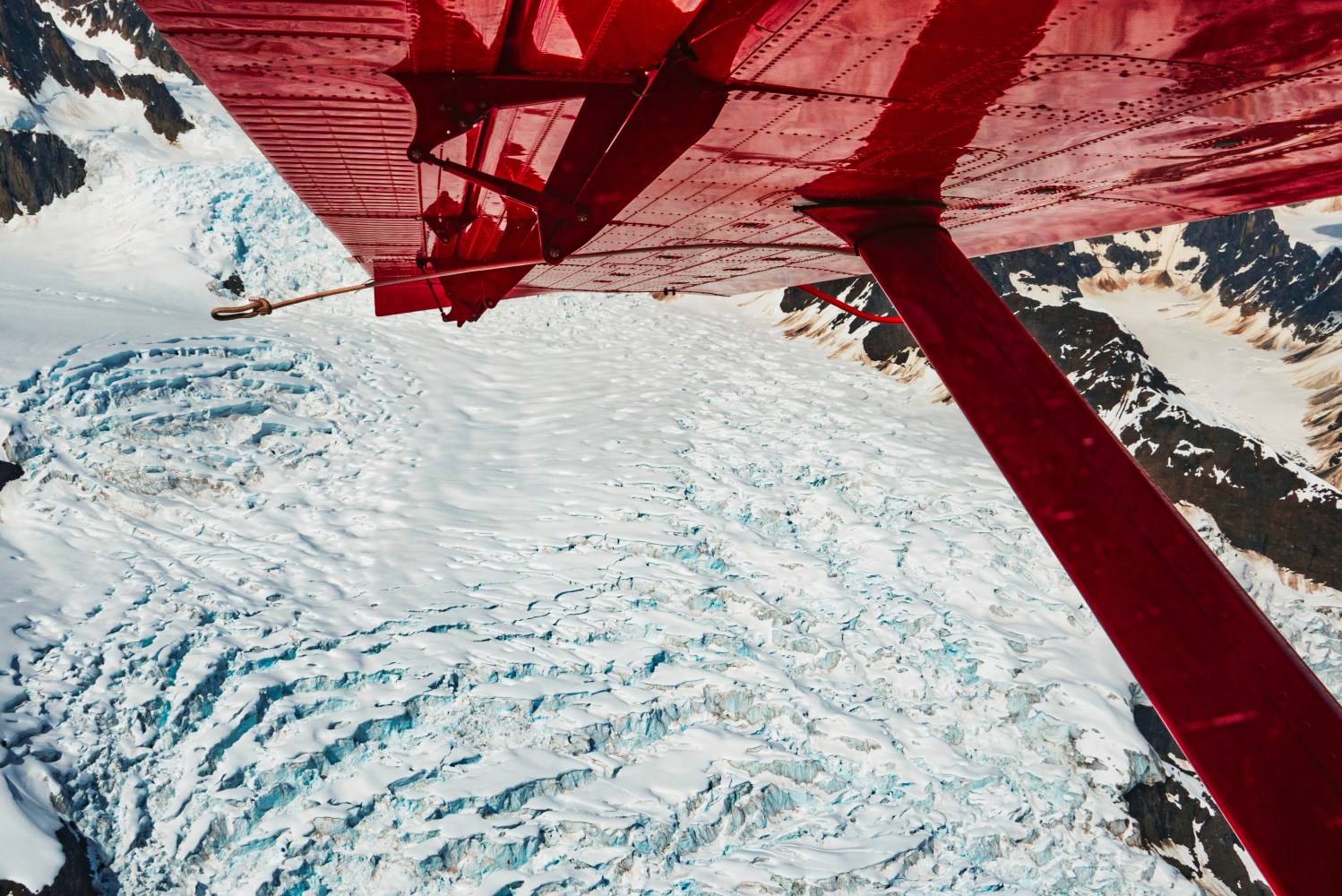
Standing 20,310 feet above sea level, Denali is the tallest peak in North America, and seeing it up close is a highlight of any Alaska vacation. If you’re planning a Denali flightseeing tour with an air taxi, one of the first questions people ask is when is the best season to fly.
The short answer: June through August is the most popular window, and early May and September are often the best kept secrets. But the “best” time depends on what you want from the flight. Here’s a guide of the best qualities of each season in the Alaska Range!
Why Talkeetna Is the Gateway to Denali
K2 Aviation is based at the Talkeetna State Airport (PATK), at the perfect mid point between destinations, about three hours north of Anchorage and roughly four hours south of Denali National Park’s entrance. Because Talkeetna sits on the south side of the Alaska Range, you’re in the air and among the peaks within minutes of takeoff. With Talkeetna’s proximity to the mountains, if Denali is out on the day of your flight, you would be able to see it immediately upon wheels up.
Summer (Late May – August): Peak Season for Good Reason
For most visitors, summer is the sweet spot for a Denali flightseeing tour via air taxi. The days are longer, it’s the height of tourist season, and glacier landings are in full swing. Summer also gives you an opportunity for a high altitude adventure, as it’s the season we operate our Top of the World tour!
Why summer works:
- Maximum daylight. Around the summer solstice, Talkeetna gets close to 20 hours of daylight.
- More departure times. Peak season brings the fullest flight schedule. We have 5 rounds of opportunities to fly from May through September at the following times: 8:30am, 11am, 1:30pm, 4pm, and 6:3opm.
- Glacier landings. On a glacier landing tour, guests spend about 15 – 20 minutes on the snow, taking photos and playing in the summer powder before heading back to Talkeetna. We only operate glacier landings from March – October.
- Full operation. We run every tour in the summer including glacier landings and the Top of the World tour.
- Height of climbing season: late May through early June is the height on climbing season giving travelers a unique opportunity to see athletes on the mountain.
What to know:
Summer is also the busiest season, so book early, especially for July where we can book up completely. Dress in layers and we suggest a light jacket and long pants during the May through September summer season. It can be chilly on the glacier even on a warm day in Talkeetna and usually averages about 15 degrees less than the temperature at the airport.
Spring (Late March – May): Winter Scenery With Spring Daylight
If you want to see Denali at the cusp of changing seasons, consider visiting in the Spring. Deep snow still blankets the Alaska Range, giving the mountains an incredible, high contrast look. The days are getting longer still with the chance to see aurora, the sun regains its warmth, and crowds are thinner than in July.
Spring is also the start of climbing and skiing season on Denali and it’s a fascinating time to see the mountain at work, with expedition activity on the glaciers. K2 Aviation was founded around supporting climbers, so this season is part of our heritage.
Why Spring works:
- Fewer crowds: Enjoy a quieter experience than the peak of summer, with more room to take in the views.
- Breakup season: Spring is a season of transition as winter loosens its grip on the landscape. The rivers are thawing and snow is melting in the low country.
- Climbing and skiing: Watch expedition teams and ski parties at work on the glaciers.
- High contrast scenery: Deep snow, dark rock, and long spring light make for dramatic views and photos.
- Warmer sun, longer days: More daylight means more opportunities to fly with added flight rounds
- Glacier landings: Glacier landing season begins in March.
- Iditarod: March ushers in a once a year event, our Chase the Race Iditarod Tours!
What to know:
Spring marks the beginning of climbing and skiing season, so you may spot expedition teams making their way across the glaciers. It’s also a great time to experience our once a year Iditarod tour, offering a rare opportunity to see the last great race. Glacier landings begin in spring, giving you the chance to step out onto the snow in the heart of the Alaska Range. This time of the year, dress in layers, and we recommend bringing a warm jacket, long pants, and sunglasses.
Fall (Late August – October): Color, Clarity, and the Beginning of Quiet
Late summer and early fall bring a dramatic change to the landscape surrounding Denali, making this one of the favorite times of year for photographers and for our pilots. The tundra transforms into brilliant shades of red and gold, with peak fall colors historically arriving during the second week of September. As summer crowds thin and mosquitoes become less common, the Alaska Range takes on a different character. Glaciers become more exposed, revealing sweeping ice formations and full glacial moraines, while fresh snow often dusts the surrounding peaks.
With shorter days, sunrise and sunset flights return to the schedule, offering beautiful opportunities to photograph the mountains in the changing light. As darkness returns, so does the chance to see the Northern Lights, adding another reason to visit during this spectacular season.
Why fall works:
- Peak leaf week: Brilliant fall colors, with peak tundra colors historically occurring during the second week of September.
- Less bugs: Fewer mosquitoes.
- Epic light: Sunrise and sunset flights return to the schedule.
- Uncovered features: More exposed glaciers and dramatic glacial moraines.
- Termination dust: The first snow on the mountain tops is called termination dust and means winter is on it’s way.
- Return of darkness: Darker nights bring back opportunities to see the aurora borealis.
What to know:
Daylight hours become shorter as fall approaches, but we continue offering a full flight schedule through early September. Sunrise and sunset flights provide unique lighting opportunities for photographers, while the return of darker nights creates the possibility of Northern Lights viewing, best witnessed at the end of Main St by the river. Glacier landing availability can change as the season winds down, so check when booking to confirm current options.
Winter (November – March): See Alaska Like a Local
Winter offers a completely different way to experience Denali and the Alaska Range. With snow covered peaks, quiet landscapes, and only a handful of visitors, it’s a chance to see Alaska at its most peaceful. While daylight may be limited to around five hours at the heart of winter, the long nights bring opportunities to see the Northern Lights. On our Denali Grand Tour, you may even witness Denali’s enormous shadow stretching across the surrounding landscape, a rare phenomenon unique to the winter months.
Winter is also a wonderful time to experience the real Talkeetna. With fewer visitors in town, you’ll have more opportunities to meet locals, enjoy the community’s laid back artsy atmosphere, and experience the small town quirkiness that makes Talkeetna special.
Why winter works:
- Beautiful light: Approximately five hours of daylight during the shortest days of winter, leaving the mountains in brilliant color most of the day.
- Aurora: Opportunities to see the Northern Lights.
- Long shadows: Denali’s dramatic shadow across the landscape on the Denali Grand Tour.
- Live like a local: Fewer visitors and a quieter, more personal Alaska experience.
- Community: A chance to meet locals and experience the real Talkeetna beyond the summer tourist season.
What to know:
K2 Aviation operates year round, making winter flightseeing possible even during the coldest months. Days are short, and temperatures can be very cold, so dress in warm layers and be prepared for changing winter conditions. Transportation options, including train service, are limited during winter, and some local shops and restaurants close for the season. However, this is also a unique opportunity to experience the real Talkeetna from a local’s perspective, when the summer crowds are gone and the community settles into its quieter winter rhythm.
The Real Key: Weather Flexibility
No matter when you visit, Alaska’s mountain weather is unpredictable, and Denali often creates its own weather systems. It’s possible to have clear, sunny skies in Talkeetna while clouds completely obscure the summit and surrounding peaks.
Weather plays a major role in flightseeing, and safety always comes first. If conditions aren’t suitable for flying, tours may need to be rescheduled or canceled. We recommend keeping your travel dates flexible or planning to spend a few extra days in Talkeetna. That way, if weather doesn’t cooperate on your scheduled flight day, you’ll have a better chance of finding another opportunity to experience Denali from the air.
So, When Should You Go?
- Want the most flexibility and flight times? Book May through August.
- Want fall colors and calm skies? Aim for late August or early September.
- Want to experience Alaska like the locals? Ask about winter flightseeing.
Whatever month you pick, plan ahead, stay flexible, and bring your camera. Standing on a glacier in the shadow of Denali is one of those trips people talk about for a lifetime.